
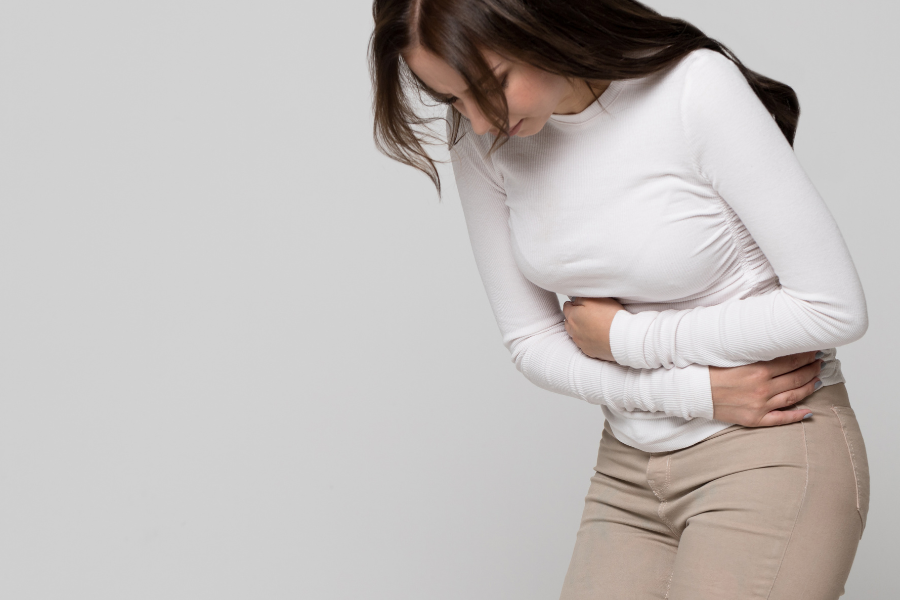
If you’ve been living with severe abdominal pain, heavy bleeding, and bloating, then you may worry about endometriosis. Dr. Tahery specializes in diagnosing and treating pelvic pain, including endometriosis, and frequently evaluates patients whose symptoms have been minimized or dismissed as “normal.” This condition develops when the endometrium, or uterine lining, grows outside the uterus. The growth can occur in the ovaries, fallopian tubes, and pelvic tissues. Because the tissue responds to hormone fluctuations, it can swell and lead to intense pain and scarring that gets worse over time, something Dr. Tahery evaluates carefully when symptoms are persistent or progressive.
Research suggests that more than 11 percent of American women between ages 15 and 44 have endometriosis. Unfortunately, many women suffer with painful symptoms for years before receiving a diagnosis. They may feel confused and frustrated. Some women feel like doctors dismiss their pain as totally normal. Dr. Tahery believes pelvic pain deserves to be taken seriously and evaluated thoughtfully, especially when symptoms are severe, recurrent, or worsening. Many women resort to online searches about what causes endometriosis.
There isn’t one sole cause of endometriosis. Instead, research shows that several factors work together to create a perfect storm. Hormones, immune system function, genetics, and environmental influences can play a role in the development of this condition. When patients understand what may be driving their symptoms, they often feel more empowered and confident about their care, an approach Dr. Tahery emphasizes during patient education and treatment planning.
HIGH ESTROGEN
High levels of estrogen are one of the most important contributing factors. Estrogen provides the fuel that allows endometrial-like tissue to grow and persist outside the uterus. If you have a higher level of estrogen or an increased sensitivity to estrogen, this can allow abnormal tissue to survive and spread, something Dr. Tahery considers when discussing symptom patterns and flares.
Some women naturally produce more estrogen, while others respond more strongly to its effects. This hormonal environment promotes inflammation and makes it harder for the body to break down abnormal tissue. Over time, this process can intensify symptoms such as pelvic pain, heavy periods, bloating, and pain during intercourse, symptoms Dr. Tahery commonly evaluates during a comprehensive pelvic pain assessment.
Estrogen alone does not cause endometriosis, but it strongly influences how the condition progresses and why symptoms often worsen without treatment. Dr. Tahery explains this connection so patients understand why hormonal balance and inflammation control are central to managing symptoms.
IMMUNE SYSTEM DYSFUNCTION
Immune system dysfunction is another important contributor. Normally, the immune system removes cells that grow where they do not belong. In women with endometriosis, the immune system may not recognize or eliminate misplaced endometrial-like tissue. Dr. Tahery often discusses how immune response and chronic inflammation affect symptom severity and disease progression.
When abnormal tissue remains in the pelvis, it can trigger ongoing inflammation. That inflammation contributes to pain and encourages lesions to grow. Many women with endometriosis also show signs of heightened inflammatory responses, which may explain symptoms such as fatigue, widespread discomfort, and pelvic pressure, factors Dr. Tahery considers when tailoring individualized care.
ENVIRONMENTAL FACTORS
Environmental factors may also play a role. Certain chemicals can disrupt hormone balance and interfere with immune function. Dr. Tahery may review lifestyle and environmental exposure considerations as part of a broader, whole-person approach to endometriosis care.
These substances, often referred to as endocrine disruptors, are found in some plastics, pesticides, and industrial products. Over time, exposure may increase estrogen activity or alter immune responses. Environmental exposure alone does not cause endometriosis, but it may increase risk or worsen symptoms in women who already have a genetic or hormonal predisposition, an interaction Dr. Tahery explains so patients understand how multiple factors overlap.
RETROGRADE MENSTRUATION
Retrograde menstruation is one of the most commonly discussed theories behind endometriosis. During menstruation, blood is meant to flow out of the body. When menstrual blood flows backward through the fallopian tubes into the pelvic cavity, it can carry endometrial cells with it. Dr. Tahery frequently reviews this concept when patients ask how endometriosis begins.
These cells may attach to pelvic organs and begin to grow. While many women experience some degree of retrograde menstruation, only a subset develop endometriosis. This suggests that additional factors, such as immune response and hormonal environment, determine whether those cells survive and continue to grow. For this reason, Dr. Tahery evaluates the entire clinical picture rather than focusing on any single cause.
RELATED: Pelvic Floor Disorder Symptoms in Women
ENDOMETRIOSIS RISK FACTORS
There are also several risk factors that increase the likelihood of developing endometriosis. Genetics play a significant role. Endometriosis often runs in families, and a history of heavy periods or pelvic pain in close relatives can increase risk. Dr. Tahery routinely asks about family history because it can provide valuable diagnostic clues.
Age
Age is another factor. Many women experience painful periods from adolescence but are not diagnosed until their 30s or 40s. Painful intercourse or concerns about fertility often prompt more thorough evaluation later in life. Dr. Tahery encourages earlier assessment when symptoms interfere with daily function or quality of life.
Immune Disorders
Women with immune system disorders or chronic inflammatory conditions may also face a higher risk. When the immune system struggles to regulate inflammation, it becomes harder for the body to clear abnormal tissue. This is another reason Dr. Tahery takes a detailed medical history when evaluating persistent pelvic pain.
Menstrual Cycle Characteristics
Menstrual cycle characteristics can also increase risk. Women with endometriosis often experience early onset of menstruation, short cycles, heavy or prolonged bleeding, and severe cramps. These patterns may increase estrogen exposure and raise the likelihood of retrograde menstruation details, which Dr. Tahery reviews carefully during evaluation.
Endometriosis is a complex condition that can significantly affect daily life. No two cases are exactly the same, and symptoms can change over time. You do not have to power through chronic pain or disruptive symptoms. Dr. Tahery focuses on thoughtful evaluation and individualized care to help patients gain clarity and move toward meaningful relief.