
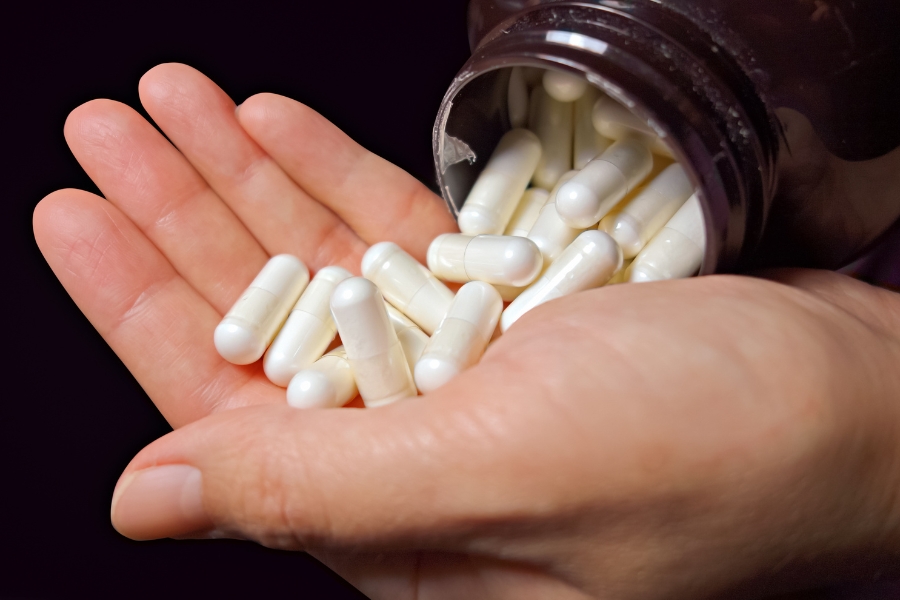
Your vaginal health relies on balance. For many women, it can feel like that balance is precarious. When your vagina is healthy, one strain of beneficial bacteria is most common. This strain, Lactobacillus bacteria, maintains a slightly acidic environment, which can limit the growth of yeast and bacteria; that is why Dr. Tahery is a proponent of restoring vaginal health using probiotics. If you have symptoms such as unusual odor, discharge, and irritation, these can signal an imbalance in your vaginal microbiome. Probiotics can help you maintain or restore a healthy balance.
CANDIDATES FOR VAGINAL PROBIOTICS
Vaginal probiotics are not meant to replace an exam, diagnostic testing, or prescription treatment when an infection is present. However, they may be helpful for women who feel that their vaginal health is easily thrown off or who want extra support during menopause or medical treatments.
Women With Recurrent BV or Yeast Infections
Bacterial vaginosis, or BV, occurs when bad bacteria overtake the good Lactobacillus bacteria in the vagina. Many women mistakenly believe BV is a sexually transmitted infection. While sexual activity can lead to imbalance, there are other possible causes, including antibiotics, smoking, IUDs, and scented soap. BV doesn’t always cause symptoms, but you may notice unusual vaginal discharge or odors. You may notice irritation and itching.
A yeast infection occurs when Candida yeast becomes overgrown in the vagina. When you have a yeast infection, you may notice intense itching and burning. Your vaginal discharge may develop a texture like cottage cheese. It may also have an unusual smell.
Both bacterial vaginosis and yeast infections can be persistent, recurring problems. Even though treatments can improve the symptoms, you may find that the condition returns weeks or months later. In this case, your underlying vaginal microbiome may still be off balance. Vaginal probiotics may help support the return of beneficial bacteria. Some research suggests that consistent use may help lower the risk of recurrence, particularly when probiotics are used after standard treatment.
Women With Hormonal Shifts
Women experience many hormonal changes throughout life. Menstrual cycles, puberty, the postpartum period, perimenopause, and menopause can all change the vagina’s microbiome. Hormonal shifts can affect vaginal tissue, pH, and bacterial growth. As estrogen levels decline in perimenopause and menopause, Lactobacillus levels may decline as well. Some women notice more dryness, irritation, or odor. Probiotics can help support the vaginal microbiome during hormonally sensitive periods.
Preventative Support During and After Antibiotics
Antibiotics are sometimes necessary, but they do not differentiate between harmful bacteria and beneficial ones. As a result, Lactobacillus levels may drop during or after treatment. This disruption can leave the vaginal environment more vulnerable, which helps explain why BV or yeast symptoms sometimes follow antibiotic use.
Experiencing Foul Odor
A sour or fishy vaginal odor can be a warning sign that you have bacterial vaginosis. It can also indicate other conditions, such as a yeast infection, trichomoniasis, or a urinary tract infection. If you are diagnosed with BV, vaginal probiotics may help with your recovery. These specially formulated probiotics can help create a healthier balance of vaginal bacteria.
BENEFITS OF VAGINAL PROBIOTICS
Vaginal probiotics can boost the healthy bacteria in the vaginal microbiome rather than simply mask symptoms. Probiotics can offer both preventative and supportive benefits for overall vaginal health.
pH Balance
Lactobacillus bacteria help maintain the acidic pH that supports vaginal health. When your pH rises, anaerobic bacteria are more likely to thrive. Supporting Lactobacillus levels may help encourage a pH range that promotes comfort and stability over time.
Bacterial Vaginosis (BV) Prevention and Treatment
Bacterial vaginosis occurs when an overgrowth of harmful bacteria changes the vaginal microbiome. Prescription medications are the standard treatment for BV, but this condition can return if the microbiome isn’t rebalanced.
Vaginal probiotics can encourage the return of Lactobacillus-dominant flora. Probiotics may also reduce the likelihood of a recurrence in some women. The results depend on the type and formula of probiotics.
For women who experience recurrent BV, this rebuilding phase matters. Feeling better does not always mean the vaginal microbiome has fully stabilized.
Alleviate Menopause Symptoms
During perimenopause and menopause, estrogen levels drop. Many women notice discomfort from vaginal dryness, thinning tissue, and irritation. During this time, some women find that mild symptoms improve with the help of vaginal probiotics.
Yeast Infection Prevention and Treatment
Antibiotic use, hormonal changes, and stress can all lead to Candida overgrowth. Vaginal probiotics can help you maintain a pH level that is less favorable to yeast overgrowth.
Supports Reproductive Health
A stable vaginal microbiome supports the health of vaginal and cervical tissue. This can be especially important for women trying to conceive or preparing for gynecologic procedures. Supporting Lactobacillus dominance is one way to promote overall reproductive wellness.
Lowers the Risk of Urinary Tract Infections
The health of your vagina and urinary tract is closely connected. When harmful bacteria throw off the vaginal microbiome, these bacteria can enter the urinary tract, leading to a urinary tract infection. Maintaining a healthier vaginal environment may help reduce this risk in women who are prone to recurrent issues.
Related: Management Of Recurrent UTIs in Women
TYPES OF VAGINAL PROBIOTICS
Some vaginal probiotics focus on delivering a single strain of helpful bacteria to the vagina. Other probiotics combine multiple strains of bacteria or add prebiotics to support multiple systems. Depending on the type of probiotics you choose, they may be available as an oral capsule or vaginal suppository.
Lactobacillus
Lactobacillus bacteria are the foundation of a healthy vaginal microbiome. This bacterium creates a mildly acidic environment that limits the growth of harmful bacteria. Most probiotics for the vagina help boost Lactobacillus to maintain a healthy vagina.
Bifidobacterium
Bifidobacterium is more commonly associated with gut health but may be included in certain vaginal probiotic blends. It is typically used as part of a broader, multi-strain approach rather than on its own.
Blended Probiotics
Blended probiotics have multiple strains of bacteria. If you have mixed symptoms or recurrent episodes of BV, you may want to try a blended probiotic. These probiotics can help balance your system from multiple angles.
CAN YOU INSERT VAGINAL PROBIOTICS?
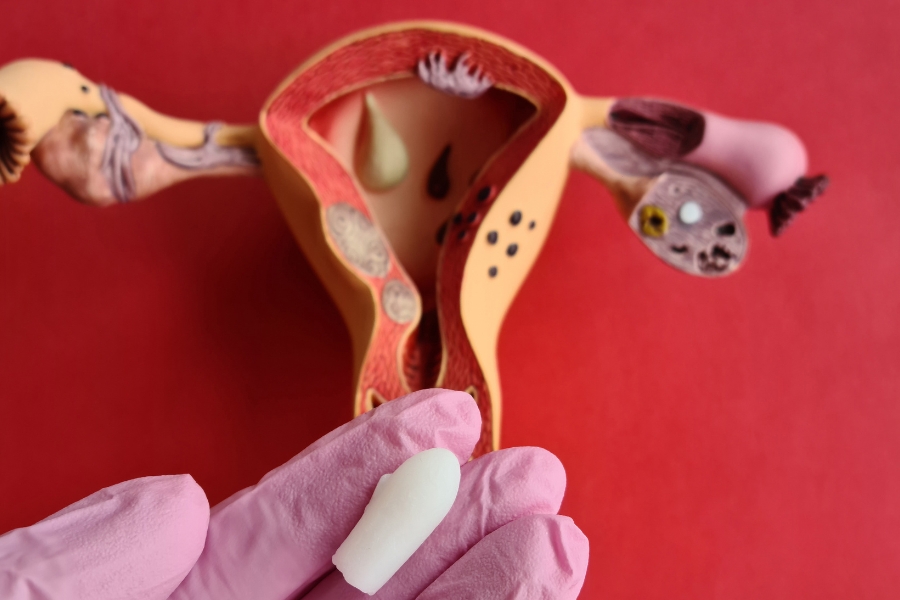
Vaginal Probiotic suppositories for insertion
Yes, vaginal probiotics can be inserted if the probiotics are labelled as safe for vaginal insertion. Vaginal suppositories are often the better choice for vaginal health because they provide direct support for most vaginal issues. You should never insert oral probiotic capsules in your vagina.
If you are pregnant or experiencing persistent symptoms like odor, discharge changes, burning, or irritation, you should schedule a doctor’s appointment before starting probiotics. Contact us for our medical-grade probiotics, research-based and designed to restore vaginal health and balance.